Why Timely Distribution of Cancer Medicines Matters

Cancer treatment often follows carefully planned schedules designed to maximize effectiveness and improve patient outcomes. For healthcare providers, ensuring that patients receive the right medicines at the right time is critical. This is why the timely distribution of cancer medicines plays such an important role in the healthcare ecosystem.

A reliable pharmaceutical supply chain helps hospitals, clinics, and healthcare institutions maintain uninterrupted access to essential oncology medicines. Efficient distribution ensures that treatment plans remain on schedule and healthcare professionals can focus on delivering quality patient care.

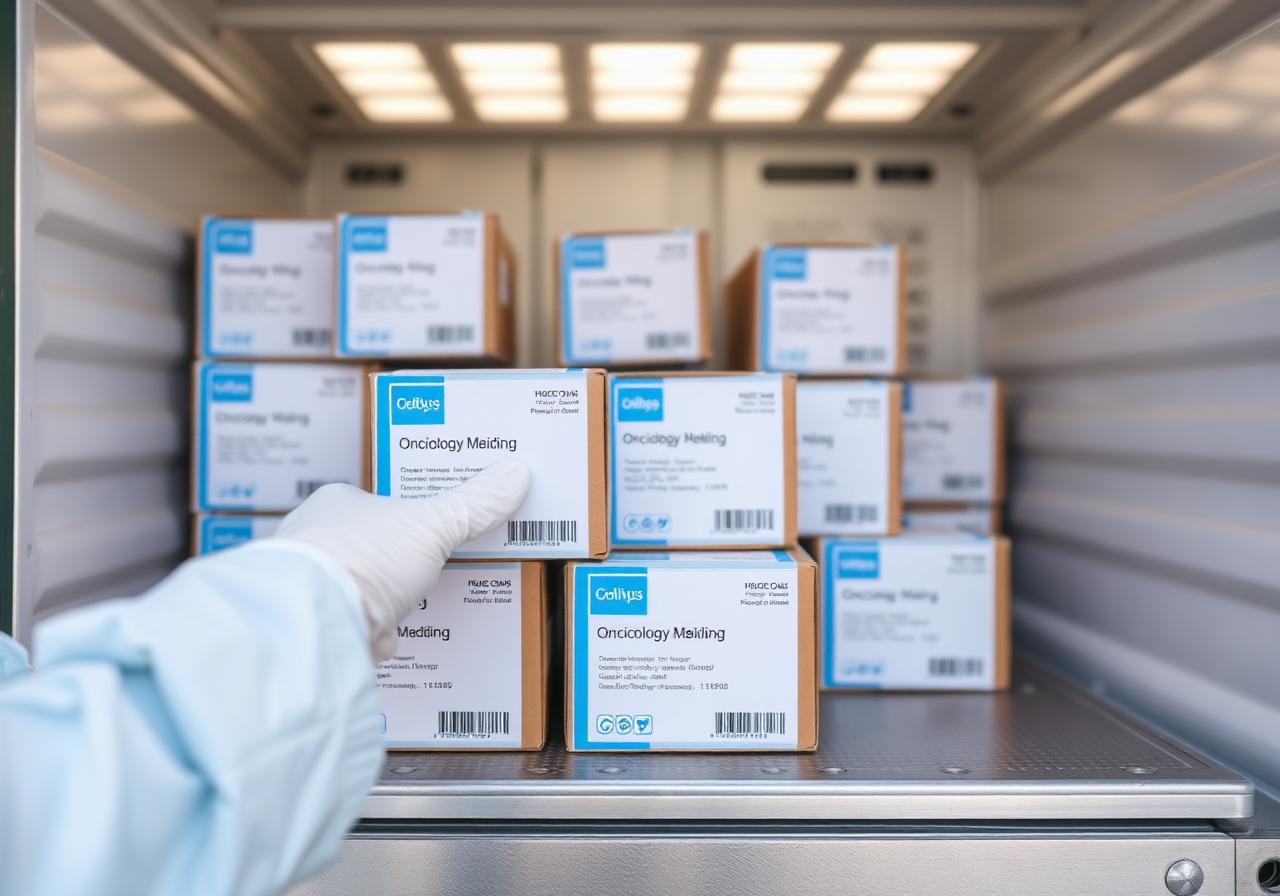
The Importance of Timely Access

Cancer therapies are often administered according to strict treatment protocols. Delays in medicine availability can disrupt treatment schedules, creating challenges for healthcare providers and patients alike.

Timely access to oncology medicines helps healthcare institutions:

  • Maintain continuity of treatment
  • Support better patient management
  • Improve operational efficiency
  • Reduce inventory shortages
  • Ensure product availability when needed

A dependable distribution network helps minimize disruptions and supports smooth healthcare operations across different regions.

Challenges in Oncology Distribution

The distribution of oncology medicines requires careful planning and coordination. Many products must be handled according to specific storage and transportation requirements to preserve their quality and effectiveness.

Common distribution challenges include:

  • Maintaining product integrity during transportation
  • Managing inventory across multiple locations
  • Ensuring timely deliveries to healthcare facilities
  • Adhering to regulatory and quality standards
  • Responding to fluctuations in product demand

Addressing these challenges requires strong logistics capabilities and effective supply chain management.

The Role of a Reliable Distribution Network

An efficient distribution network ensures that oncology medicines reach healthcare providers safely and on time. This involves inventory management, warehousing, transportation planning, and quality-controlled handling procedures.

Key benefits of a reliable distribution network include:

  • Faster delivery timelines
  • Consistent product availability
  • Improved inventory management
  • Enhanced supply chain visibility
  • Better support for healthcare institutions

By maintaining strong distribution capabilities, suppliers can help healthcare providers meet patient needs more effectively.

Quality and Compliance in Distribution

Timely delivery must always be accompanied by strict quality standards. Oncology medicines should be stored, handled, and transported according to approved guidelines to maintain product safety and effectiveness.

Compliance with regulatory requirements and quality assurance practices helps ensure that medicines reach healthcare providers in optimal condition.

Supporting Better Patient Care

Reliable distribution contributes significantly to the overall quality of cancer care. When healthcare facilities have consistent access to essential medicines, treatment plans can proceed as intended, helping medical teams focus on patient outcomes rather than supply concerns.

Strong partnerships between manufacturers, distributors, and healthcare providers create a more resilient supply chain that benefits patients across the healthcare system.

Conclusion

The timely distribution of cancer medicines is a vital component of modern healthcare delivery. Efficient logistics, dependable supply networks, and strong quality standards help ensure that oncology medicines are available when and where they are needed.